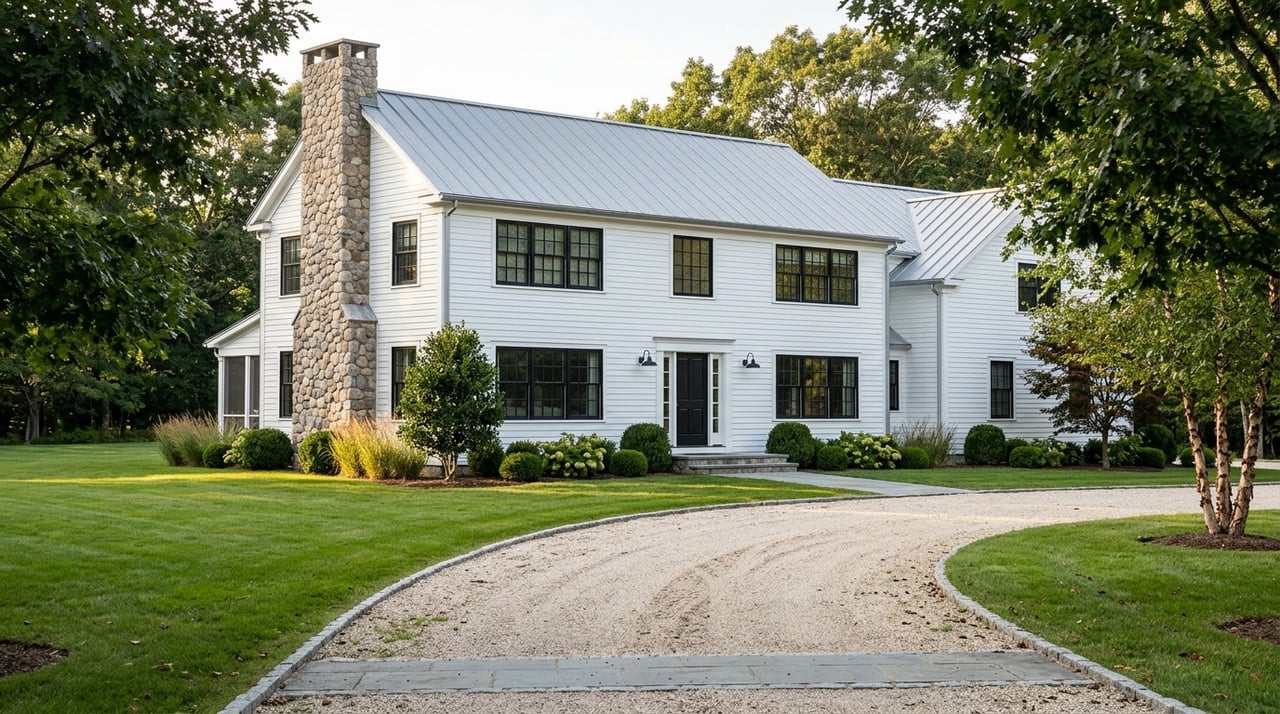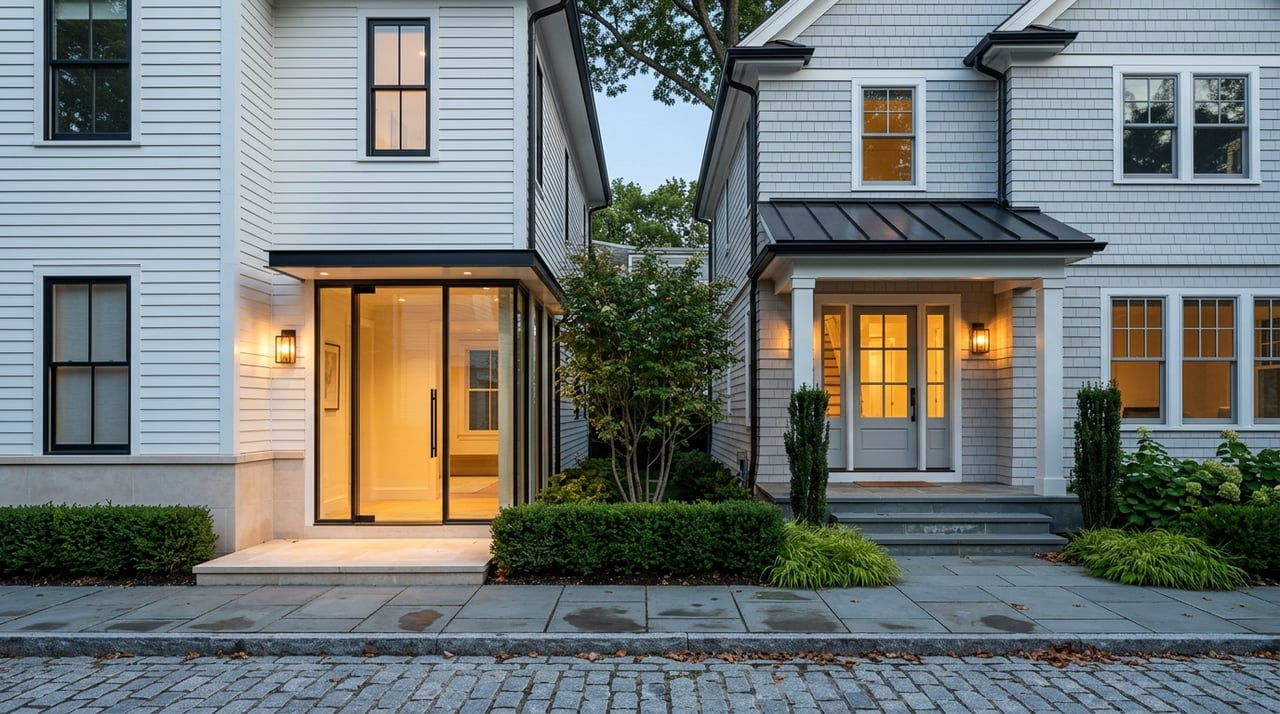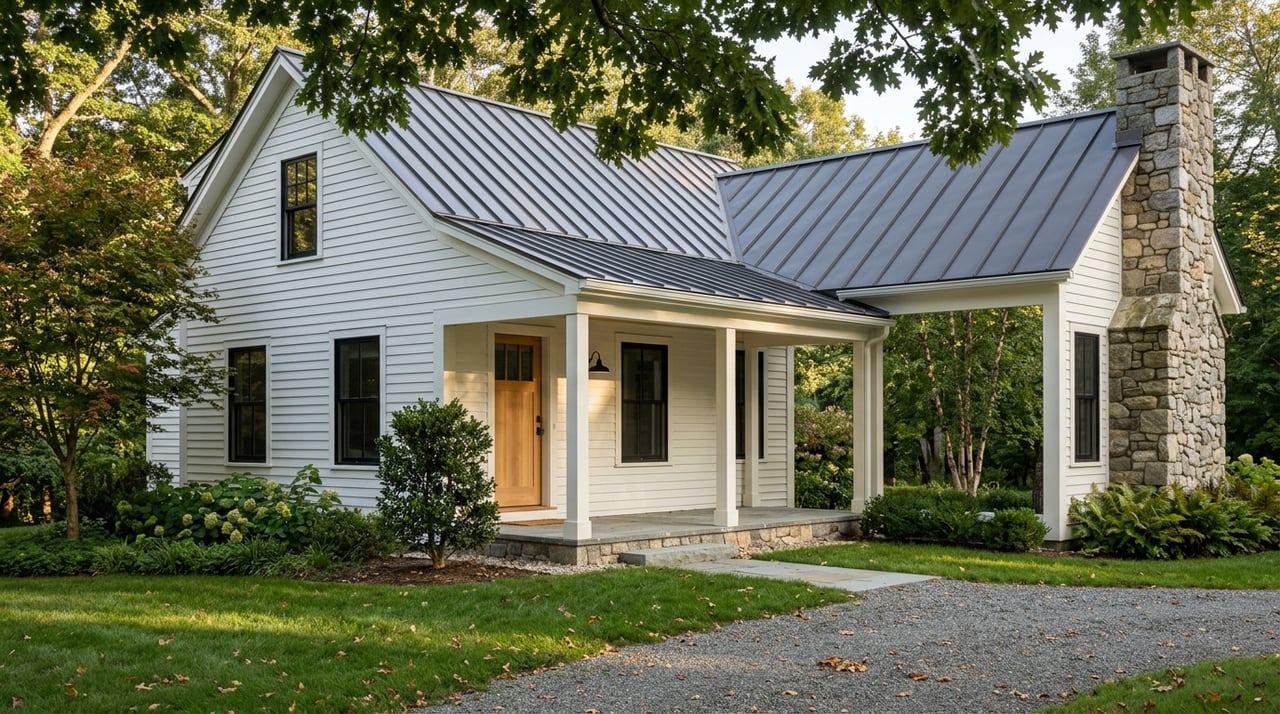
Wondering whether a luxury condo or a single-family house makes more sense in Stamford? It is a smart question, especially in a market where lifestyle, commute, space, and long-term goals can pull you in different directions. If you are weighing convenience against privacy or amenities against control, this guide will help you compare both paths with more clarity. Let’s dive in.
Stamford Offers Two Distinct Luxury Lifestyles
In Stamford, the condo-versus-house decision is about more than price. It often comes down to how you want to live day to day. Some buyers want a polished, low-maintenance home near transit, dining, and waterfront amenities, while others want more space, more privacy, and more freedom to shape the property over time.
That split fits Stamford’s broader layout and planning. The city continues to support walkability, public space, and transit-oriented growth, while also maintaining more traditional detached-home areas. In other words, your best fit depends less on which option is “better” and more on which lifestyle matches your priorities.
Price Difference Is Real
If you are starting with budget, the gap is significant. In Q4 2025, Stamford’s median condo sale price was $444,000, compared with $875,000 for houses. That makes condos the lower-cost entry point on a median basis.
What is interesting is that price per square foot was nearly the same. Condos came in at $369 per square foot, while houses were at $375 per square foot. That suggests the biggest pricing difference is usually about total space, land, and who handles maintenance, not a dramatic difference in value per square foot.
Why Luxury Condos Appeal in Stamford
For many buyers, a luxury condo offers a simpler and more connected way to live. You may get easier access to transit, dining, waterfront public space, and building amenities without taking on the full responsibility of exterior upkeep. That can be especially appealing if you want a lock-and-leave home base.
This lifestyle stands out most clearly in Harbor Point. City planning documents describe Harbor Point as an 82-acre South End redevelopment with more than 2,600 apartment units completed, under construction, or approved, along with commercial space, a waterfront hotel, restaurants, a marina, more than 11 acres of parks and public spaces, a community school, and publicly accessible waterfront areas.
Harbor Point Brings Convenience Together
Harbor Point is a strong example of why condo living works for many Stamford buyers. The area connects residential buildings with open space, waterfront access, and nearby downtown energy. If you value being able to step outside and enjoy parks, public gathering spaces, and a more urban rhythm, this setting has clear appeal.
Commons Park adds to that draw. The park includes biking and walking paths, a playground, dog-friendly open space, events, and food options. Yale Towne Park is another part of the South End waterfront redevelopment that supports the area’s amenity-rich feel.
Transit Is a Major Condo Advantage
If your routine includes commuting, Stamford condos can have a practical edge. Stamford’s Transportation Center brings together Metro-North, Amtrak, and intercity bus service, and the station sees more than 8.5 million riders each year. That level of connectivity is a major reason buyers continue to focus on the city’s denser condo corridors.
The free Harbor Point trolley strengthens that advantage. It runs a 14-stop loop linking Harbor Point apartment buildings, downtown, and the station. For buyers who want smoother daily movement without relying on a longer drive, that convenience can matter just as much as the home itself.
What to Know Before Buying a Condo
Condo ownership in Connecticut comes with shared financial and governance structures. Under state law, owners pay common expenses, and associations can adopt budgets and special assessments. That means your purchase decision should include more than the unit itself.
Before making an offer, Connecticut consumer guidance recommends reviewing:
- Monthly dues
- Reserve funds
- Special assessments
- Outstanding debts
- Rental and sale rules
- Pet rules
- Age restrictions
- Fines and repair timing
These details can affect your monthly cost, flexibility, and future resale experience. A well-run association can support property value and ease of ownership, but buyers should review the numbers and rules carefully before moving forward.
Why Single-Family Homes Still Win for Many Buyers
If your top priorities are space, privacy, and control, a detached house may be the stronger fit. Single-family ownership gives you more authority over how the property is used, maintained, and improved. You are not working within the same level of shared rules that often come with condo living.
That flexibility is one reason many buyers continue to choose houses, even at a higher price point. You may want a private yard, more distance from neighbors, or room to renovate over time. For long-term owners, those features can be worth the added responsibility.
Houses Offer More Owner Control
With a single-family home, upkeep and repair decisions are yours. That includes the cost of unexpected repairs, but it also means you are not waiting on an association schedule or navigating community approval for many decisions. For buyers who want to customize their home or property over the years, that independence is a major advantage.
This can be especially important if you expect your needs to evolve. Whether you are planning for outdoor living, future renovations, or simply want a more private setting, a detached home usually offers more room to adapt.
House Prices Showed Stronger Momentum
Market performance is never a guarantee of future results, but recent pricing trends are worth noting. In Q4 2025, Stamford house prices were up 14.7% year over year, while condo median prices rose 6.2%. In that same snapshot, houses showed stronger appreciation momentum than condos.
That does not mean every house is a better investment than every condo. It does suggest that buyers who value land, privacy, and owner control are paying a premium for those benefits in Stamford’s market.
School Planning Can Affect the Decision
For buyers who need to plan around public schools, property type is only part of the conversation. Stamford Public Schools uses assigned attendance areas for many schools and also offers a district-wide controlled lottery for magnet schools. Because of that structure, it is important to verify placement and transportation fit early in your search.
This matters whether you are considering a condo or a house. A home’s address may affect school assignment, while magnet-school access involves a separate process. Clarifying those logistics early can help you narrow your options with fewer surprises later.
Stamford’s Growth Pattern Supports Both Choices
Stamford’s planning direction helps explain why both housing types remain compelling. The city’s waterfront goals call for continuous publicly accessible waterfront paths and recreation opportunities in redevelopment areas. That supports the lifestyle appeal of condo districts tied to downtown, transit, and the waterfront.
At the same time, conventional detached-home neighborhoods continue to serve buyers who prioritize land, privacy, and a more traditional ownership experience. In simple terms, condos tend to benefit more directly from transit-oriented and waterfront investment, while houses draw value from space, independence, and long-term flexibility.
How to Choose the Right Fit for You
If you are still deciding, start with how you want your week to feel. Do you want to be near the train, restaurants, waterfront paths, and public amenities with less day-to-day maintenance? Or do you want a home where you control the property, enjoy more outdoor space, and shape it over time?
A condo may be the better fit if you want:
- Lower median entry cost
- Easier access to transit
- A lock-and-leave lifestyle
- Shared amenities and public-space access
- Less direct responsibility for exterior upkeep
A house may be the better fit if you want:
- More privacy
- More indoor and outdoor space
- Greater renovation flexibility
- Fewer shared-community rules
- More control over maintenance decisions
In Stamford, there is no one-size-fits-all answer. The best move is the one that aligns with your lifestyle, budget, and time horizon.
If you are comparing luxury condos and houses in Stamford, a tailored market view can make the decision much easier. The team at RE/MAX Heritage brings local insight, polished guidance, and a high-touch approach to helping you evaluate the right fit for how you want to live.
FAQs
Are condos usually less expensive than houses in Stamford?
- Yes. In Q4 2025, the median condo sale price in Stamford was $444,000, compared with $875,000 for houses.
What should you review before buying a Stamford condo?
- You should review dues, reserve funds, special assessments, outstanding debt, rental and sale rules, pet rules, age restrictions, fines, and repair timing.
Why do Stamford commuters often consider Harbor Point condos?
- Harbor Point offers strong access to Stamford’s Transportation Center, and the free Harbor Point trolley connects the area with downtown and the train station.
What are the main advantages of a Stamford single-family house?
- A single-family house typically offers more privacy, more space, more renovation flexibility, and more owner control over the property.
How should buyers think about Stamford public school planning?
- Buyers should verify attendance area placement and magnet-school logistics early because Stamford uses both assigned attendance areas and a district-wide controlled lottery for magnet schools.