If you are deciding between a condo and a house in Greenwich, the price gap alone can feel like the whole story. It is not. Your best choice depends on how you want to live, what monthly costs you can comfortably carry, and which part of town fits your routine best. This guide breaks down the real tradeoffs so you can compare both options with more clarity and confidence. Let’s dive in.
Greenwich Price Gap Starts Big
Greenwich is not one uniform housing market. The town includes distinct areas such as Byram, Cos Cob, Glenville, Old Greenwich, Riverside, and several others, and housing types vary across those locations. According to the town’s housing plan, about 62% of housing is single-family detached, while 38% is attached or in buildings with two or more units.
That mix matters because entry points can look very different depending on what you buy. In Q1 2026, Greenwich recorded a median sale price of $1.24 million for condos and co-ops, compared with $3.831 million for single-family homes. Put simply, the condo median was about 32% of the single-family median, which shows how condos often serve as the lower-entry segment in a very high-priced market.
The market also moves quickly into upper price ranges. In the same quarter, only 35.5% of all Greenwich closings were under $2 million, while the rest were above that mark. That is one reason condo buyers and house buyers often feel like they are shopping in related but very different lanes.
Monthly Costs Matter More Than Price
List price is only the starting point. In Greenwich, your total monthly carry is often the more useful comparison because taxes, fees, insurance, and maintenance can shift the equation in a big way.
Greenwich completed a 2025 revaluation that assesses real estate at 70% of fair market value as of October 1, 2025, effective for the July 1, 2026 tax bill. The approved FY 2026-2027 general fund mill rate is 10.125 mills, with separate sewer maintenance and sewer improvement rates that may also apply.
Using the general fund rate as a guide, a condo at the Q1 2026 median of $1.24 million works out to about $8,789 per year in property taxes, or roughly $732 per month, before any sewer-related add-ons. A single-family home at the $3.831 million median works out to about $27,152 per year, or roughly $2,263 per month. That is a major monthly difference before you even get to maintenance or association dues.
Condo Fees Change the Math
A condo may have a lower purchase price, but it can still carry a meaningful monthly cost once association dues are added in. Condo and HOA dues are typically separate from the mortgage payment and can range from a few hundred dollars per month to more than $1,000. In many communities, those fees help cover exterior and common-area maintenance, water, sewer, trash, insurance, and reserve funds.
That means a condo can be simpler to maintain day to day, but it is not always the lower-cost option once everything is included. You should compare the full monthly picture, including mortgage, taxes, dues, and insurance, rather than focusing only on the list price.
Insurance can differ too. Condo owners often pay less for insurance than owners of detached homes, but the association may only cover part of the building-level coverage. You may still need your own interior coverage, so it is important to understand exactly what the master policy includes.
Lifestyle Differences Are Real
The practical difference between a condo and a house is not just financial. It is also about privacy, control, upkeep, and how you want your home to function on a daily basis.
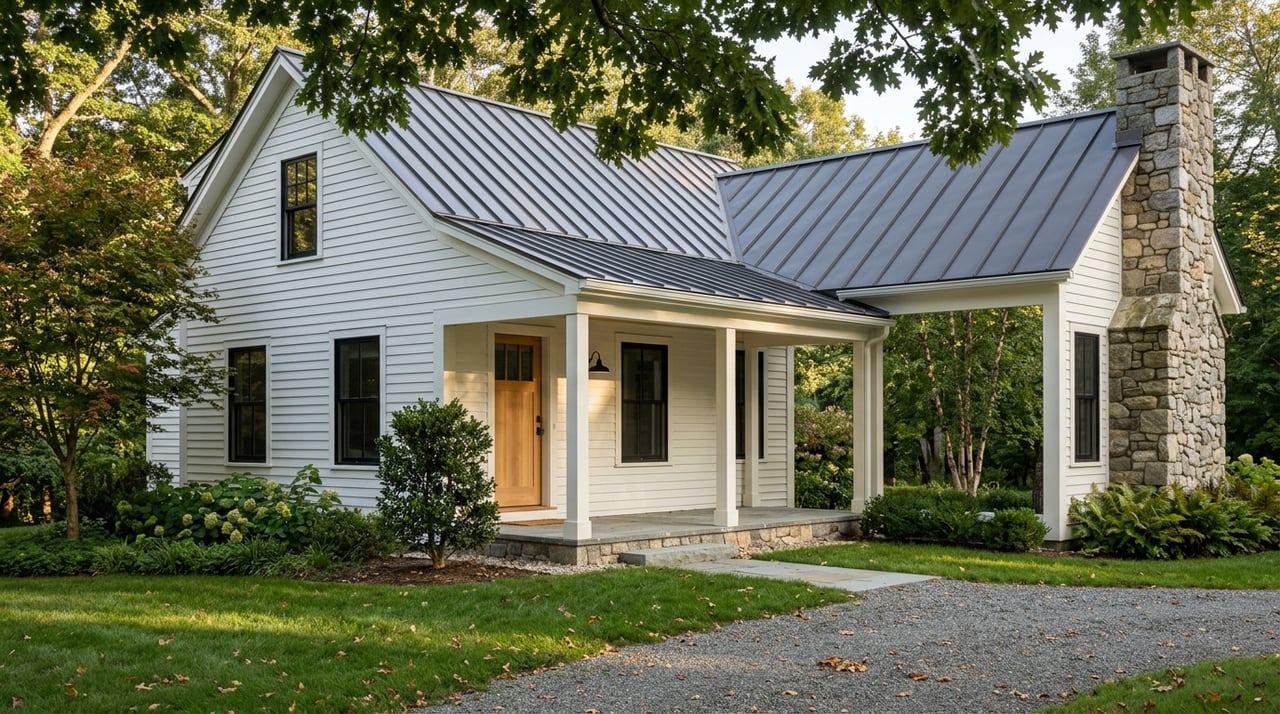
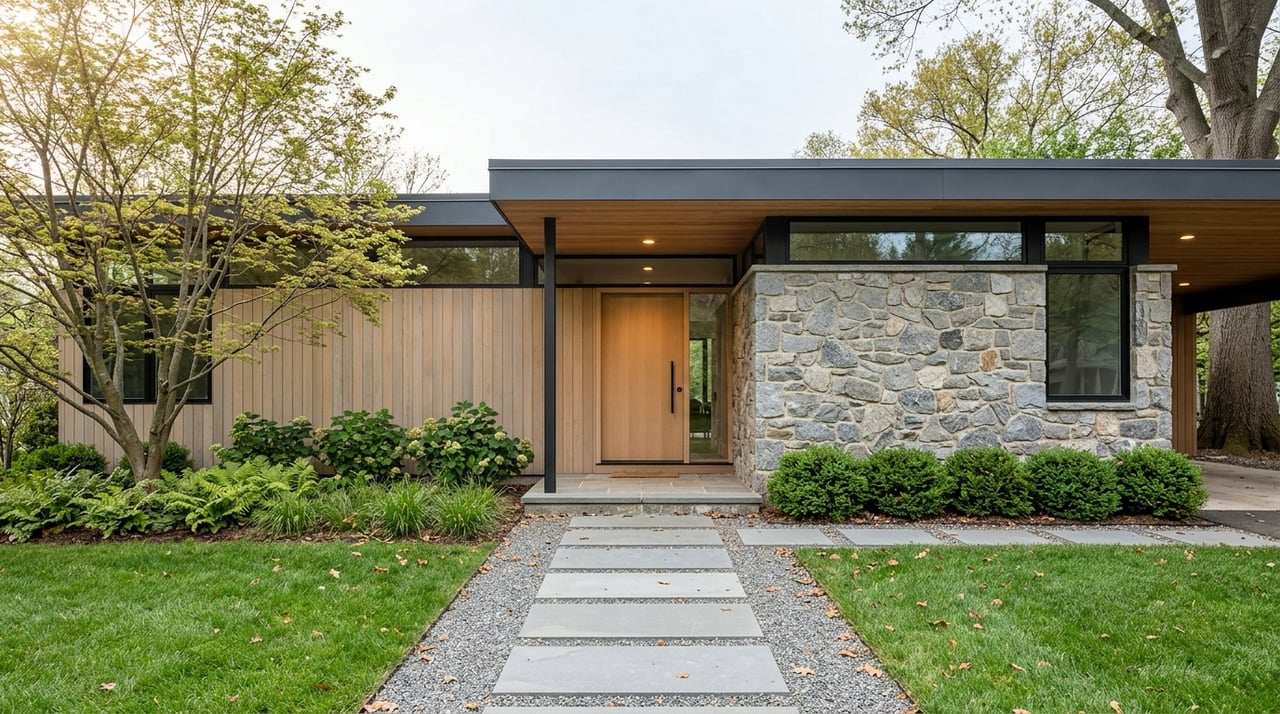
A detached house usually gives you more privacy, more control over exterior changes, and more freedom over yard use. If you want more space, a larger footprint, or room that can adapt to future work or household needs, a house often makes more sense.
A condo usually trades some of that independence for easier upkeep and shared maintenance. If you want a lock-and-leave lifestyle, a smaller footprint, or less responsibility for exterior work, a condo may be the better fit. In Greenwich, that often lines up with buyers who value convenience and village-style living.
Rail Access Can Tip the Decision
For many buyers, commute patterns shape the choice as much as the home itself. Greenwich has Metro-North stations in Greenwich, Cos Cob, Riverside, and Old Greenwich, and that creates a different set of tradeoffs depending on where you look.
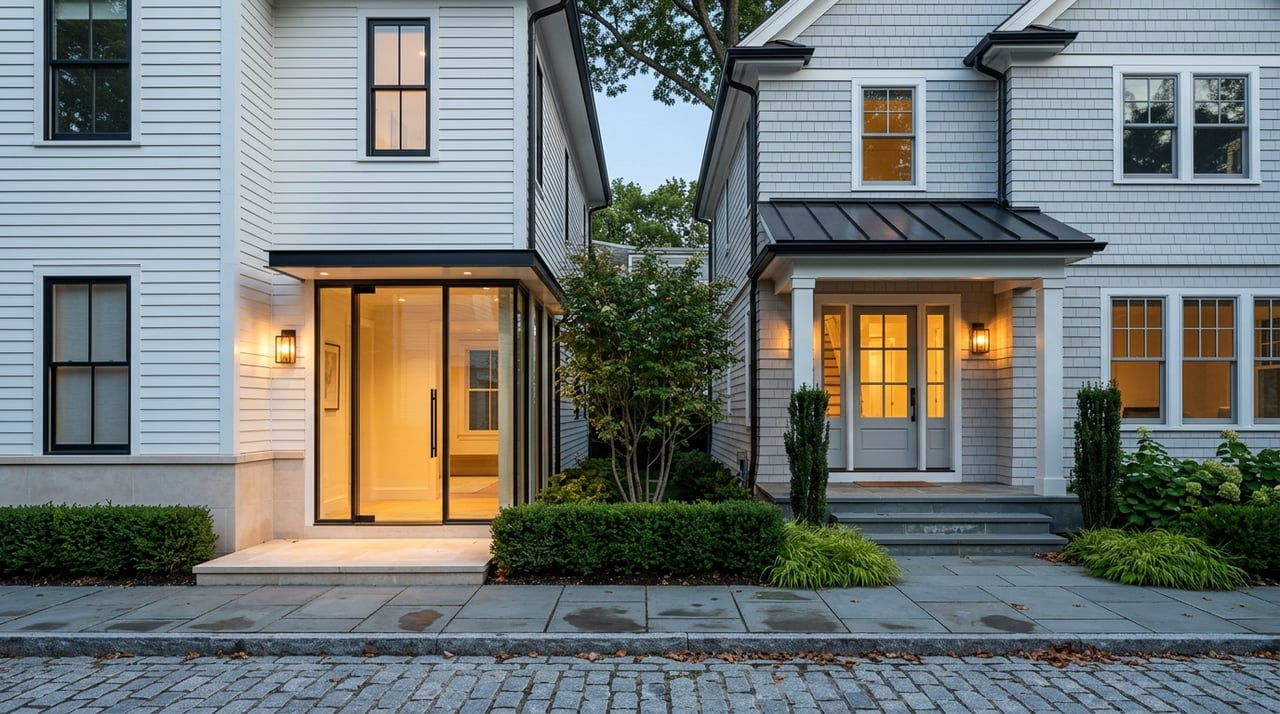
A condo near a station or village center may appeal if you want easier access to rail and daily conveniences. A detached house farther from the rail corridor may offer more privacy, more land, and a different pace. Neither is better across the board. The right answer depends on whether you prioritize commute efficiency or space and separation.
This is one reason you should avoid treating all Greenwich condos or all Greenwich houses as interchangeable. Location inside the town can shape value, lifestyle, and resale appeal just as much as property type.
Resale Depends on the Submarket
Greenwich resale trends are highly local. Distinct villages and neighborhoods attract different buyer pools, and homes near rail stations may compete differently than homes in lower-density residential areas.
The good news is that both market segments showed demand in Q1 2026. Greenwich recorded 44 condo and co-op closings, with a 9.7% year-over-year increase in median price to $1.24 million and an average of 68 days on market. Single-family homes posted 74 closings with an average of 81 days on market and a median of $3.831 million.
That tells you both condos and houses are moving, but for different reasons and at different price levels. Houses still dominate the high-dollar end of the market, while condos continue to offer a more accessible entry point by Greenwich standards.
Condo Buyers Need Extra Due Diligence
When you buy a condo, you are also buying into an association. That means the health of the building or community can directly affect your financing options, monthly costs, and future resale.
Before you move forward, review key documents and financials carefully. Important items include:
- Reserve funds
- Special assessment history
- Bylaws and governing documents
- Master insurance coverage
- Any pending lawsuits
- Known structural or deferred maintenance issues
Lenders may evaluate the community’s physical condition, financial stability, debts, legal issues, inspections, and overall warrantability. A well-run condo association can support value and resale. A weak one can create friction even in a strong market like Greenwich.
House Buyers Should Plan for Ongoing Upkeep
A house may be simpler to evaluate in some ways because you are focused more directly on the property and its location. But that simplicity comes with more direct responsibility.
With a detached home, you should be ready for ongoing maintenance and long-term capital planning. Roofs, siding, drainage, landscaping, paving, heating and cooling systems, and exterior repairs all fall more directly on you. The added privacy and flexibility can be worth it, but the budget should reflect the reality of ownership.
How to Choose the Right Fit
If you are torn between the two, focus on the factors that will affect your life every month, not just the day you close. A smart comparison usually comes down to four questions:
- What total monthly payment feels comfortable once taxes, dues, insurance, and upkeep are included?
- How important is rail access or village proximity to your routine?
- Do you want more privacy and control, or easier maintenance?
- How long do you expect this home to serve your needs?
In Greenwich, condos often make sense for buyers who want a lower-entry price point, easier upkeep, or stronger alignment with commuter-oriented living. Houses often make more sense for buyers who want more space, more privacy, and greater flexibility over time.
A clear decision usually comes from matching the property type to your lifestyle, not from assuming one is automatically the better investment.
If you want help comparing specific Greenwich condos and houses by monthly carry, location fit, and resale considerations, RE/MAX Heritage can help you evaluate the options with local context and a tailored strategy.
FAQs
What is the median price difference between condos and houses in Greenwich?
- In Q1 2026, the median sale price was $1.24 million for condos and co-ops and $3.831 million for single-family homes in Greenwich.
What are Greenwich property taxes like for condos versus houses?
- Using the FY 2026-2027 general fund mill rate as a guide, the Q1 2026 median condo works out to about $8,789 per year in property taxes, while the median single-family home works out to about $27,152 per year, before any sewer-related add-ons.
What should condo buyers review in a Greenwich association?
- Condo buyers in Greenwich should review reserve funds, special assessment history, bylaws, master insurance, pending lawsuits, and any structural or deferred maintenance issues.
Which Greenwich areas have Metro-North access?
- Metro-North stations are located in Greenwich, Cos Cob, Riverside, and Old Greenwich.
Are condos easier to maintain than houses in Greenwich?
- Condos are often easier to maintain day to day because associations may handle exterior and common-area maintenance, while detached homes usually require more direct owner oversight and long-term upkeep planning.