Looking for a place where you can actually hear the wind in the trees, step onto a trail minutes from home, and still keep a workable connection to Fairfield County and New York? That is exactly why many buyers start looking at Redding when they want a true country retreat. If you are considering a home in this part of Connecticut, it helps to understand how land, zoning, utilities, and lifestyle fit together before you fall in love with a property. Let’s dive in.
Why Redding Works for a Country Retreat
Redding stands out because the town has intentionally protected its rural and agrarian character through zoning and scenic-road protections. In practical terms, that means you will often find a lower-density setting than in many nearby Fairfield County towns. If your vision of a retreat includes space, privacy, and a more natural landscape, that matters.
The lifestyle also supports the setting. The town reports more than sixty miles of trails, and nearby recreation includes Putnam Memorial State Park, Huntington State Park, the Norwalk River Valley Trail, and Devil’s Den Preserve. For many buyers, that mix of open space and outdoor access is a major part of the appeal.
Redding can also work as more than a weekend destination. The Redding Metro-North station on the Danbury Branch gives you rail access into the larger New Haven Line network. It is not the same as living in a close-in commuter suburb, but it does provide a useful option for occasional commuting or city access.
What Redding Ridge Buyers Should Expect
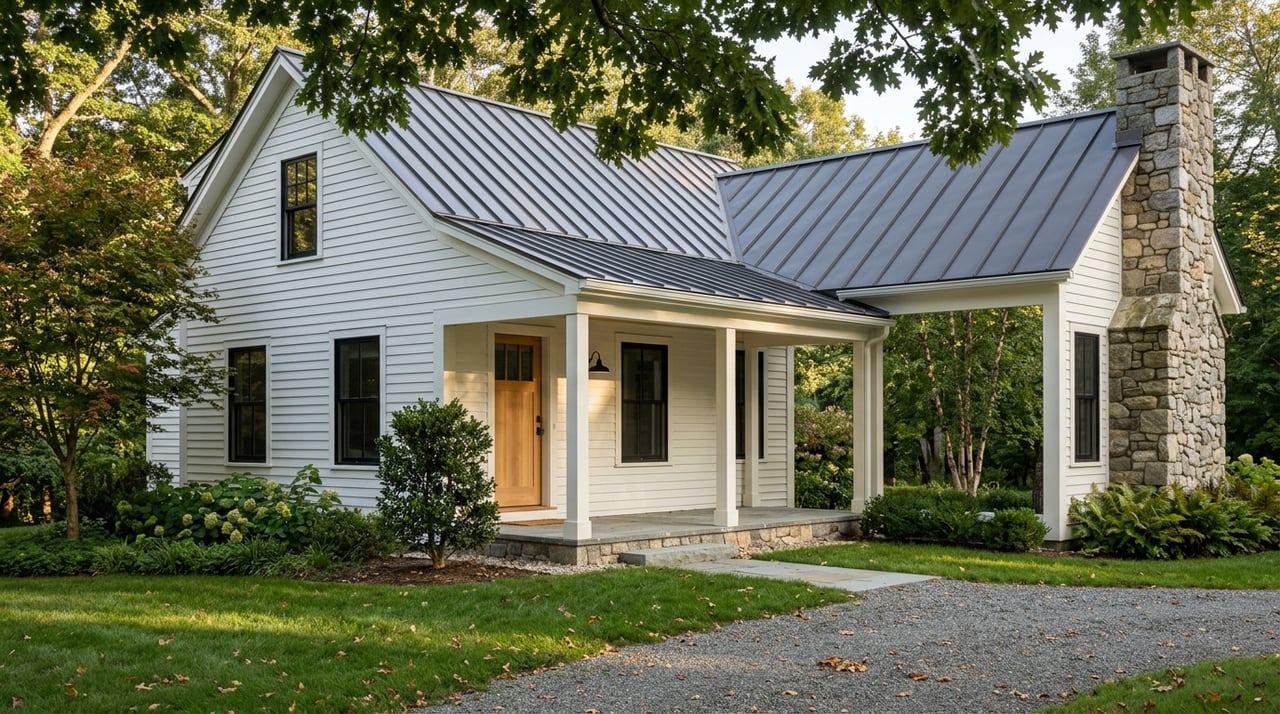
If you are searching in and around Redding Ridge, you should expect a market shaped by land. Homes here are often part of a broader setting that includes wooded lots, long driveways, stone walls, outbuildings, and room for outdoor amenities. That setting is part of the value, but it also means you need to look beyond the house itself.
A country property purchase in Redding is rarely just about bedrooms and finishes. You also need to understand the lot size, the zoning district, the setback rules, and whether future plans will fit the site. If you hope to add a pool, barn, accessory space, or expanded outdoor living later, those questions should come up early.
Redding Zoning and Lot Sizes
Redding’s zoning rules are a big reason the town feels rural. In the main residential districts that country-retreat buyers usually consider, minimum lot sizes range from one-half acre to four acres, with the larger-lot districts creating a more spacious pattern of development.
Here is a quick look at the residential lot minimums most relevant to retreat-style buyers:
| Zone | Minimum lot area | Minimum lot width | Minimum frontage |
|---|---|---|---|
| R-4 Conservation Residential | 4 acres | 300 ft | 50 ft |
| R-2 Rural Residential | 2 acres | 200 ft | 50 ft |
| R-1 Low Density Residential | 1 acre | 150 ft | 50 ft |
| R-1/2 Suburban Residential | 1/2 acre | 100 ft | 50 ft |
The village district is much denser and is usually not what buyers mean when they picture a country retreat in Redding. In contrast, R-4, R-2, and R-1 are much more aligned with larger parcels and a more private setting. The district matters because it shapes what kind of property you are buying and what changes may be possible later.
Setbacks are also generous in the larger-lot zones. In R-4, for example, the front-yard requirement is 60 feet, and side and rear yards are even larger than what many suburban buyers may expect. That can support privacy, but it can also reduce the practical building envelope on a lot with slopes, wetlands, or other constraints.
Building Plans Matter More Than You Think
One of the most common mistakes buyers make with country homes is assuming that a large lot equals unlimited flexibility. In reality, usable space and permitted space are not always the same thing. A four-acre parcel may still have limits based on topography, wetlands, soil conditions, setbacks, or prior approvals.
Redding’s regulations allow detached single-family homes as the principal residential use, along with accessory uses such as barns, garages, greenhouses, pools, tennis courts, and other resident-only recreational facilities. That gives buyers appealing options, but each property still needs to be evaluated individually. If you already have a wish list, it is smart to compare that list against the zoning district and site conditions before you move forward.
Can You Add Guest Space or an ADU?
For many retreat buyers, guest accommodations are a priority. You may want space for visitors, extended family, or a private work-from-home setup separate from the main house. In Redding, that possibility depends heavily on the zoning district and the specific property.
Under the town’s 2023 ADU amendments, detached accessory apartments are allowed in the RV, R-1/2, and R-1 zones, but they are capped at 800 square feet and limited to one bedroom in those zones. That means some properties may offer flexibility, while others may not support the type of guest arrangement you have in mind.
This is one area where details matter. Before you assume you can create an in-law suite, detached guest quarters, or similar accessory living space, you need to confirm the zone and review current compliance. That kind of due diligence can save you time, money, and frustration.
Septic and Well: A Key Part of Buying in Redding
Outside Georgetown, many buyers should expect that a country-style home in Redding may rely on septic and a private well. Public sewer service is limited, and town information notes that sewer usage charges apply only to a small number of parcels connected to the Georgetown Sewer System. For most retreat buyers, utility verification should be part of the early contract and inspection process.
If a property is served by septic, the Connecticut Department of Public Health advises that the system should be evaluated before purchase. You want to know what the system includes, whether it appears to be functioning properly, and what replacement could cost down the road. That is especially important when you are buying a larger property where future additions or accessory structures may affect site planning.
Redding’s Health Department adds another layer of practical planning. For septic-served lots, a B100a site assessment and soil testing are required before approvals for additions, accessory structures, pools, demolitions, or other significant site disturbance. The property must also have an existing code-compliant septic system or an approved plan before a building permit application is accepted.
For private wells, Connecticut DPH says owners are responsible for water quality, and testing is highly recommended when you buy a home. The agency also notes that arsenic testing should be considered when purchasing a property with a private well. In a country-home purchase, that makes water testing more than a routine box to check. It is part of understanding the property as a whole.
Permits and Future Improvements
If you are drawn to the idea of customizing a country retreat, start thinking about permits before closing, not after. Redding’s Building Department issues permits for new construction, additions, renovations, decks, storage buildings, and some repairs. Some permits are issued only after Planning, Zoning, Conservation, and Health approvals are in place.
That matters if your long-term vision includes a pool, a barn, a larger garage, a driveway change, or a major expansion. Even when a feature is generally allowed, the approval path can still depend on the lot, the zone, and environmental conditions on the site. The earlier you understand those factors, the better you can judge whether a home truly fits your goals.
Redding Lifestyle: Trails, Parks, and Quiet Access
A country retreat is not only about the house. It is also about how you spend time once you are there. Redding offers an unusual amount of outdoor access for a small residential market, which is one reason it continues to attract buyers who want a more relaxed pace without giving up regional connectivity.
The town reports more than sixty miles of trails. Nearby destinations include Putnam Memorial State Park, Huntington State Park, the Norwalk River Valley Trail, and Devil’s Den Preserve, which official sources describe as a 1,800-acre preserve and the largest preserve in Connecticut managed by The Nature Conservancy. For buyers who value walking, hiking, and everyday access to nature, that is a meaningful part of the purchase decision.
What the Market Looks Like Right Now
Redding is best described today as a high-six-figure to low-seven-figure market, with premium country estates rising well above that range. Public snapshots from late April 2026 show some variation by source, but the overall picture is consistent: this is a market with a broad pricing spread and meaningful differences between entry-level opportunities and more substantial estates.
As of late April 2026, Realtor.com reported a median listing price of $1,087,000, a median sold price of $887,000, and 29 homes for sale. Zillow’s April 30, 2026 snapshot showed 18 homes for sale and a median list price of $1,201,500. Redfin’s April 2026 snapshot for 06896 reported a median sale price of $887,000 and a sale-to-list ratio of 96.6%.
That spread is important because it means your budget may buy very different experiences in the same town. One property may offer a modest house on a pleasant lot, while another may deliver acreage, privacy, and a more complete retreat setting. Looking at pricing through the lens of land, utility setup, and improvement potential will usually give you a clearer picture than price alone.
How to Buy Smart in Redding
If you are serious about buying a country retreat in Redding, it helps to stay focused on a few essentials:
- Match your lifestyle to the zoning district. Larger-lot districts often align better with classic retreat goals.
- Verify septic, well, and sewer service early. Do not assume municipal utilities.
- Evaluate the building envelope. Large acreage does not always mean easy expansion.
- Review future plans before closing. Pools, barns, guest space, and additions may require multiple approvals.
- Think beyond the house. Trails, access, privacy, and the overall setting are central to value in Redding.
The right property here can feel both private and practical. But the best outcomes usually come from balancing emotion with careful due diligence.
Buying a country retreat in Redding is about more than finding a beautiful home. It is about choosing the right land, the right utility setup, and the right level of flexibility for the life you want to build there. If you want experienced local guidance as you evaluate Redding Ridge and the broader Redding market, RE/MAX Heritage can help you navigate the details with clarity and confidence.
FAQs
What makes Redding, CT appealing for a country retreat?
- Redding is known for low-density residential areas, zoning intended to preserve rural character, scenic-road protections, more than sixty miles of trails, and access to parks and preserves that support an outdoor lifestyle.
What lot sizes are common for country homes in Redding?
- In the main residential districts tied to retreat-style properties, minimum lot sizes range from 1/2 acre in R-1/2 to 4 acres in R-4, with R-1 and R-2 requiring 1 acre and 2 acres respectively.
Are homes in Redding, CT usually on septic and private wells?
- Many are, especially outside Georgetown, where public sewer service is limited, so you should verify utility service during the buying process rather than assume municipal connections.
Can you add a guest house or accessory apartment in Redding?
- Possibly, but it depends on the zoning district and property compliance; in certain zones, detached accessory apartments are allowed with size and bedroom limits.
What should buyers inspect before purchasing a country home in Redding?
- Buyers should pay close attention to septic evaluation, private well testing, zoning compliance, lot constraints, and any permit or approval needs tied to future improvements.
What is the current home price range in Redding, CT?
- Recent public market snapshots place Redding broadly in the high-six-figure to low-seven-figure range, with premium country estates priced well above that level.