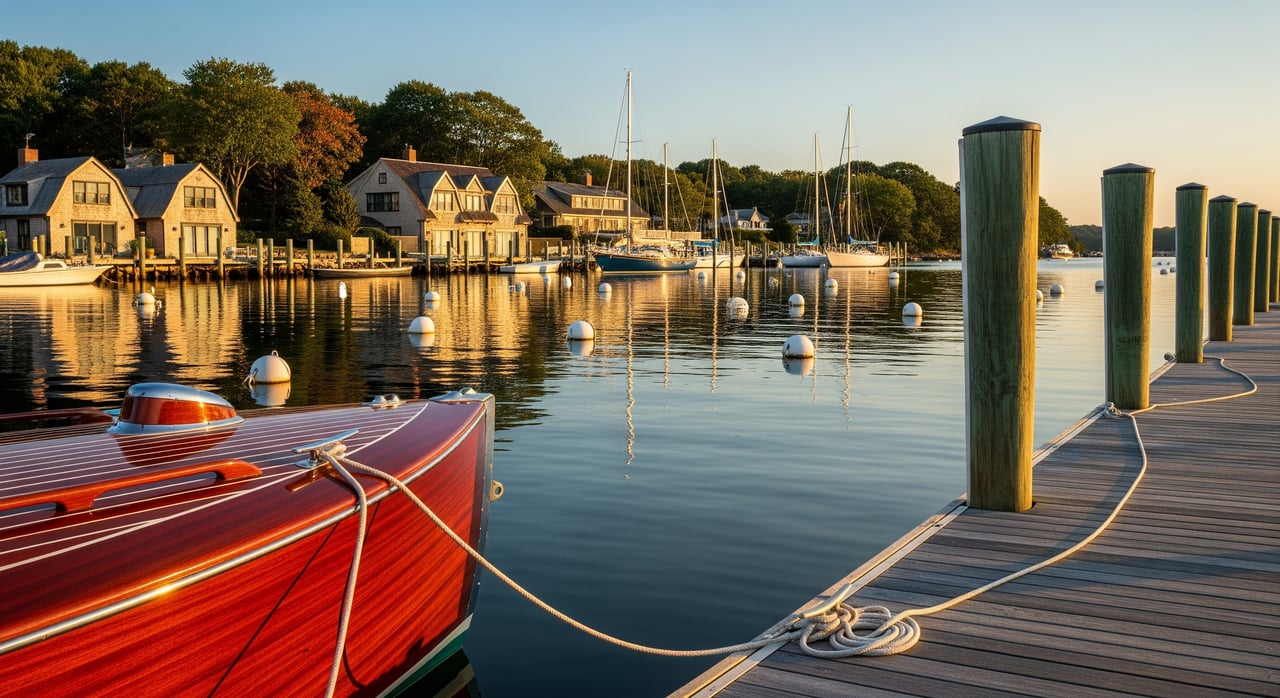
If boating is at the heart of your move to Rowayton, you are in the right place. This shoreline village in Norwalk sits on Long Island Sound with quick runs to the Norwalk Islands, sheltered coves, and a community that loves time on the water. In this guide, you will learn how marinas, moorings, private docks, and launch points work here, plus what to verify before you buy. You will also get safety, seasonality, and mapping tips so you can plan your boating life with confidence. Let’s dive in.
Why Rowayton fits boaters
Rowayton lines the northern shore of Long Island Sound, with coves, small harbors, and protected anchorages. You can day cruise, fish inshore, sail, powerboat, or paddle a kayak or SUP close to home. Many residents enjoy island hopping to the Norwalk Islands for relaxed beaches and picnics.
Peak recreational boating runs from late spring through early fall. Summer often brings calmer days, while late fall and winter see stronger storms and nor’easters. Hurricane season runs June through November, so planning for secure storage and storm prep matters.
Know your access options
Your ideal boating setup may be a private dock, a leased slip, a permitted mooring, or simple carry-in access for paddlecraft. Each option has different rules, costs, and wait times. Use the criteria below to align the right access with your lifestyle and property search.
Private docks and piers
A dock can deliver true doorstep convenience, but it comes with due diligence. Verify tidal access by checking depth at mean low water, and look for any shoals or obstructions on approach. Review town permits, riparian rights, and bulkhead or pier condition.
- Confirm insurance implications and any required inspections.
- Understand maintenance responsibilities and possible repair needs.
- Ask whether any dock or float permits transfer with the property.
Marina slips
Marina slips offer amenities and security, often with seasonal or annual contracts. Availability can vary, and desirable slips may have waitlists. Some facilities offer fuel, pumpout, electricity, Wi‑Fi, haul and launch services, and winter storage.
- Ask about maximum length and beam, and depth at mean low water.
- Clarify seasonal versus annual terms and reservation policies for guests.
- Inquire about on-site service capability, security, and parking.
Moorings
Moorings place your boat on a buoy in a designated field, usually managed by a municipal harbor master or under state oversight. They can be cost-effective, but they are limited by bottom conditions, swing room, and regulated buoy fields.
- Verify who issues the permit and if there is a waitlist.
- Confirm depth and proximity to shore, and how you will reach the boat.
- Clarify annual maintenance for tackle and inspection responsibilities.
Dry rack, trailer, and yard storage
Onshore storage can be efficient for smaller boats and those who only launch on weekends. It also simplifies winterization. If you plan to trailer, confirm ramp access, parking, and local traffic patterns to and from the water.
Who manages what
Harbor rules are a mix of municipal, state, and federal regulations. In the Norwalk and Rowayton area, a municipal harbor master manages local waterways, mooring fields, and harbor advisories. The Connecticut Department of Energy and Environmental Protection oversees boater education, vessel registration, and statewide boating rules. The U.S. Coast Guard enforces federal navigation and safety standards and responds to emergencies.
When you are evaluating a property or selecting a marina, verify current rules, permits, and fees directly with the appropriate authority. If you plan to pursue a mooring, ask about waitlists, renewal policies, and inspection requirements.
Slips, moorings, and the paperwork that matters
In many coastal Connecticut harbors, popular slips and moorings have seasonal demand and occasional waitlists. Private marinas may have openings, often at higher cost, while municipal mooring fields can be limited.
Before you make an offer on a waterfront home, gather details early:
- Depth at mean low water at the dock or in the approach.
- Any known shoals, seasonal markers, or dredging updates.
- Whether dock or mooring rights transfer with the property.
- Slip or yard contracts, terms, and insurance requirements.
- Parking, guest policies, and trailer storage rules.
If you rely on a mooring instead of a dock, clarify tender or dinghy logistics, storage, and where you will land onshore. Ask how emergency access works and where the nearest tow and repair services are located.
Launch ramps and paddlecraft access
Small-craft access shapes everyday enjoyment for many Rowayton buyers. Public boat ramps, municipal docks, and beaches provide affordable entry to the water. Private beaches and homeowner association facilities are typically limited to members or residents.
Before you launch, verify:
- Permit or day-use fees and any seasonal parking enforcement.
- Tidal timing, especially in areas that expose mudflats at low water.
- Wind exposure and fetch, since some points are more exposed to southerly winds and nor’easters.
- Any seasonal water quality advisories posted by municipal or state agencies.
New to kayaking or SUP on the Sound? Start in sheltered coves, check the forecast and tides, wear a PFD, and carry a phone in a waterproof case. Joining a local paddling group or taking a guided lesson can help you learn local currents and routes safely.
Navigating Long Island Sound from Rowayton
The Sound has semidiurnal tides with a typical range of several feet, and currents that can matter near channels and island passages. Summer thunderstorms can arrive quickly, and fall and winter bring nor’easters. Tropical systems may affect late summer and fall.
Use reliable resources to plan your day on the water. Consult NOAA nautical charts for approaches, soundings, aids to navigation, and known hazards. Check nearby tide and current stations for timing, and review the National Weather Service marine forecast before you depart.
Keep a VHF marine radio tuned to Channel 16 for hailing and emergency calls. Follow posted speed and no-wake rules in channels and near shore. Expect recreational congestion near popular beaches, marinas, and island landings, and give commercial traffic a wide berth.
A quick safety checklist
- Confirm safe depth for launch, docking, and approach at mean low water.
- Know where to get fuel and pumpout services.
- Post emergency contacts for the harbor master, towing providers, and the U.S. Coast Guard.
- Carry required safety gear, and ensure your registration and education credentials meet state rules.
Seasonal planning for boat and property
Peak boating runs spring through fall, with many operations scaling down in late fall and winter. Plan ahead for winterization and storage, since yards and racks often fill by late summer.
During hurricane season, create a storm plan for moored and docked boats, including chafe protection and extra lines, or plan a timely haul-out if advised. In some winters, nearshore ice can develop, which is another reason many owners haul before freezing conditions. Shorter winter days also limit safe operating windows.
How to use a Rowayton boating map
A simple, mobile-friendly map can help you understand local access at a glance. When reviewing a map of Rowayton and the Norwalk Islands, look for these layers and labels:
- Public and private marinas, with slip length ranges if noted.
- Harbor master or municipal marine office locations.
- Public boat ramps, carry-in put-ins, docks, and beaches.
- Marked mooring areas with a reminder to verify buoy assignments with the harbor master.
- Depth contours, shallow flats, and primary approach channels.
- Posted no-wake zones and any protected swimming areas.
- Nearby island names and common day-trip destinations.
- Service nodes for fuel, pumpout, haul and launch facilities, and boatyards.
- Safety overlays showing the nearest Coast Guard station and a reminder for VHF Channel 16.
- A small inset arrow showing typical tidal flow and best times to transit narrow channels.
If a map includes seasonal notes, look for labels such as “launch open May to October” or “shallow at low tide, check chart.” High-contrast colors and a simple legend make it easier to use on a phone at the ramp.
Buyer and seller checklists
If you are buying waterfront
- Identify your preferred access: dock, slip, mooring, or paddle-only.
- Verify permits, depths at mean low water, and approach conditions.
- Confirm slip or mooring availability and what transfers with the property.
- Ask about storm exposure, surge, and historic conditions.
- Budget for haul-out, winter storage, and routine maintenance.
If you are selling waterfront
- Gather dock permits, maintenance records, and any surveys.
- Compile slip or mooring contracts and clarify transfer policies.
- Note depths at mean low water and any improvements or repairs.
- Provide buyers with practical information such as parking and tender logistics.
Lifestyle and services
The Rowayton and Norwalk shoreline supports a full range of boating services, from marina amenities to boatyards and winter storage. Clubs, sailing schools, and paddling groups offer skills, safety, and community for every experience level. Easy access to islands and protected anchorages makes the area ideal for family day trips.
When you are ready to pair the right property with the right boating access, we can help you evaluate options and align them with your lifestyle.
Ready to explore Rowayton waterfront and water-access homes with a local team that understands the shoreline? Connect with RE/MAX Heritage for neighborhood guidance and a tailored plan.
FAQs
How close is Rowayton to open water and the Norwalk Islands?
- You can reach the Norwalk Islands and the main Long Island Sound quickly, often within minutes to tens of minutes depending on your launch point and vessel speed.
Can a mooring or dock transfer when I buy a home in Rowayton?
- Transfers depend on permit status and local rules, which are typically managed by the municipal harbor master and state agencies, and they are not always automatic.
Are kayaks and paddleboards practical from Rowayton properties?
- Yes, many homes and local parks offer carry-in options or small docks, though tides, shoreline terrain, and wind exposure affect ease of launch.
What costs should I expect for slips, moorings, and storage?
- Fees vary by facility and boat size, and you should also plan for haul-out, winter storage, insurance, and any dock maintenance.
Who sets boating rules and handles emergencies around Rowayton?
- Local harbor operations are managed by the Norwalk Harbor Master, statewide rules by CT DEEP, and federal safety and emergencies by the U.S. Coast Guard.
What is the typical boating season on Long Island Sound?
- Most recreational activity runs from late spring through early fall, with winterization and storage common as late fall and winter storms approach.
How should I plan for tides and weather before heading out?
- Check NOAA charts and nearby tide and current stations, then review the National Weather Service marine forecast and carry a VHF radio on Channel 16 for safety.