Looking for a Connecticut town where classic New England homes meet a lively arts scene and miles of wooded trails? If you want small‑town charm with real cultural depth, Ridgefield delivers. In this guide, you’ll learn what daily life looks like on and off Main Street, how the outdoors shapes neighborhoods, what homes typically cost, and what to know about taxes and commuting. Let’s dive in.
Ridgefield, CT at a glance
Ridgefield is a Fairfield County town of about 25,033 residents with roughly 9,001 households and a high homeownership rate of about 86 percent. Median household income is estimated near $164,000, which reflects the town’s professional and executive profile. About 83 percent of local housing is single‑family, so the landscape feels suburban and rural rather than dense. You can review these community snapshots in the DataHaven Ridgefield profile for a clear baseline on households and housing. See the Ridgefield community profile.
Property taxes are a key part of ownership. The town lists the FY 2025 mill rate at 26.35 mills per $1,000 of assessed value. To estimate your tax bill, multiply your assessed value by the mill rate, then confirm details with the town. Review the Ridgefield tax collector page.
Ridgefield’s long‑term plan also emphasizes preserving open space and guiding development around village centers and Main Street. That is a big reason the town retains a low‑density, single‑family character. You can see the planning approach and maps in the town’s Plan of Conservation and Development. Explore Ridgefield’s POCD.
Main Street arts and culture
Cultural District heartbeat
Ridgefield is a designated state Cultural District with a compact downtown that funnels you from galleries and museums to dinner and a show. Main Street hosts frequent public events and a steady calendar that makes weekends feel full without leaving town. Learn about the Cultural District.
The Aldrich Contemporary Art Museum
On Main Street, The Aldrich brings nationally recognized contemporary art to town with rotating exhibitions and a sculpture garden. It is easy to build a Saturday around a museum visit, coffee, and a stroll past boutiques and historic buildings. Visit The Aldrich.
Ridgefield Playhouse nights
The Ridgefield Playhouse draws touring music, comedy, film, and family shows throughout the year. You can catch a performance midweek or anchor a date night with dinner near the green. Check upcoming shows.
Symphony, theater, and seasonal rhythm
You’ll find a full slate of cultural options beyond the big anchors. The Ridgefield Symphony Orchestra presents concerts in town, and local theater groups stage plays and musicals seasonally. On warm nights, concerts and community gatherings in Ballard Park add to the Main Street rhythm.
Outdoors and trails in Ridgefield
Ridgefield is rich in protected open space, with thousands of acres of town‑owned land and interconnected preserves. Trails loop through several named areas, and many neighborhoods back to woods and conservation parcels. The town’s open‑space map is a helpful guide if you like to plan weekend hikes. See the open‑space and trails map.
Bennett’s Pond State Park
Bennett’s Pond State Park covers about 460 acres with water views and easy‑to‑moderate trails. It is a favorite for short hikes, trail runs, and leaf‑peeping in fall. Preview Bennett’s Pond.
Pine Mountain and Hemlock Hills
Higher‑elevation preserves like Pine Mountain and Hemlock Hills offer ridge walks, quiet loops, and connectors that link into a larger regional greenbelt. The mix of elevation and forest makes for rewarding weekend outings close to home.
Weir Farm National Historical Park
On the Ridgefield and Wilton line, Weir Farm blends art and landscape with ranger programs, historic studios, and seasonal activities. It pairs naturally with a morning at The Aldrich if you enjoy art in nature. Plan a visit to Weir Farm.
Neighborhoods and housing styles
Historic downtown living
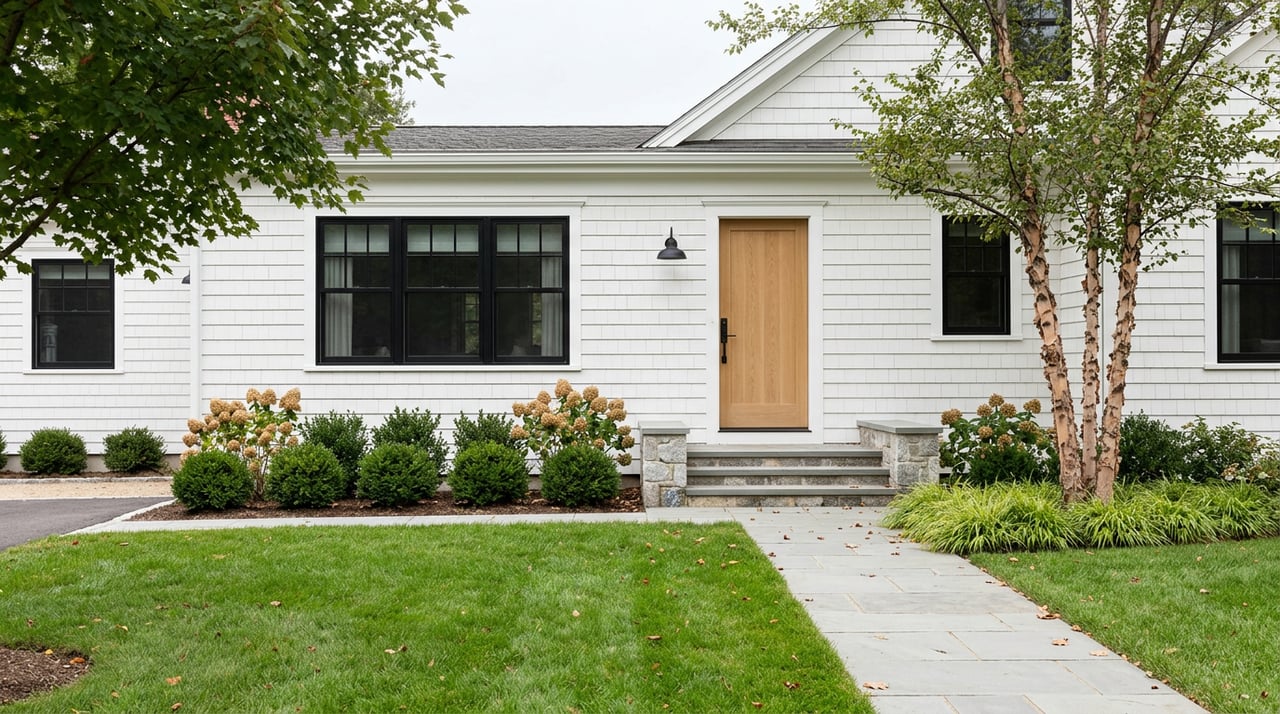
If you want walkable access to shops, dining, and arts, focus on Ridgefield Center and the historic streets near Main Street. You’ll find 18th and 19th century homes, period architecture, and smaller lots compared to outlying areas. The Ridgefield Historical Society showcases the town’s early homes and civic buildings. Explore local history.
Branchville and commuter access
In southeast Ridgefield, Branchville anchors around the Metro‑North Danbury Branch station. Buyers who prioritize rail access often start their search here or nearby. Service commonly involves a transfer at South Norwalk for trips to Grand Central, so factor that into your timing.
Northern country areas
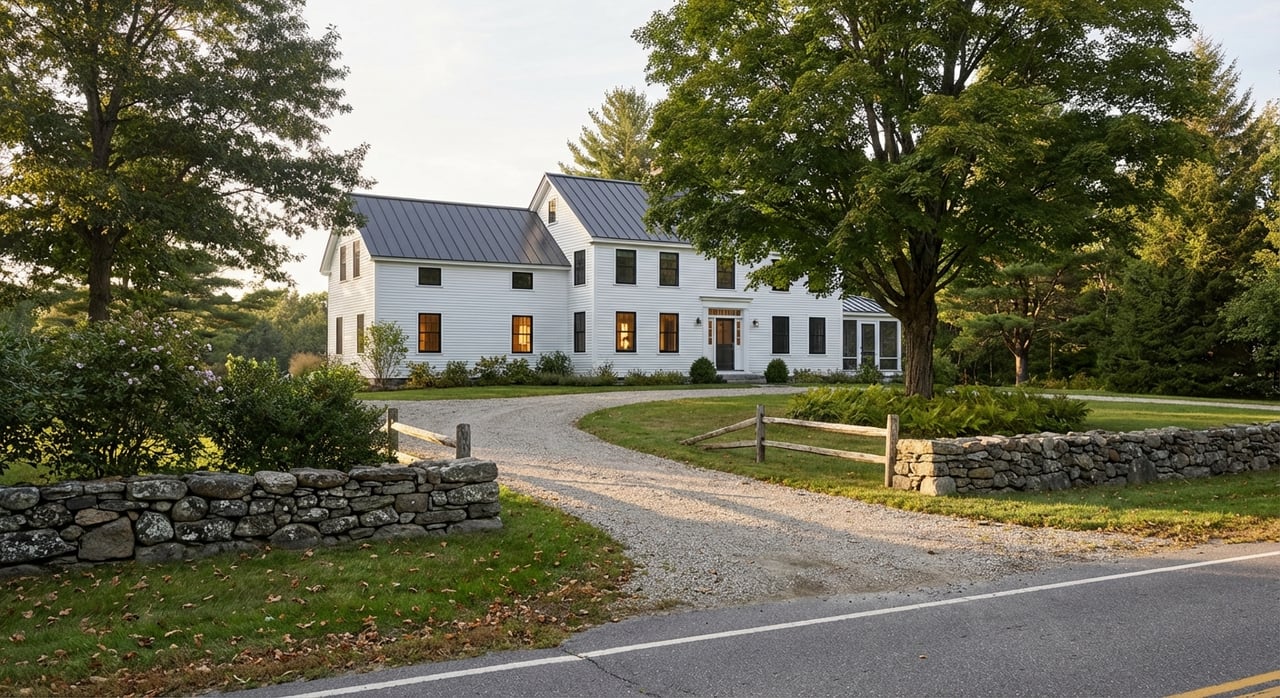
Ridgebury, Pine Mountain, West Mountain, and the northern reaches feel more rural, with larger lots, privacy, and homes that range from classic Colonials to newer custom builds. Many properties back to preserves or open space, which adds to the country setting. The town’s maps show how conserved land shapes the character and spacing of these neighborhoods. Browse the open‑space map.
What homes cost today
Different market trackers report different medians, but a practical town‑level frame today is roughly $900,000 to $1.5 million. Exact figures move with seasonality and the mix of sales in a given month. High‑end sales can also lift averages, so use a range as your starting point and rely on recent neighborhood comps when you are serious about an offer.
Under $800,000
You will typically see smaller single‑family homes and some mid‑century ranches or split‑levels. Limited condo and townhouse options exist, but the market is still dominated by detached homes. Inventory in this band can be tight given overall demand.
$800,000 to $1.5 million
This is historically the busiest slice. Expect three to five bedroom Colonials, updated older homes near town, and newer builds on 1 to 3 acre lots in several neighborhoods. Well‑priced listings can draw multiple offers in spring.
$1.5 million and up
At the top end you’ll find larger custom homes, country estates, and properties with significant land and amenities. Many of these are located in northern and western areas where open space and acreage are common.
A key driver of long‑term price resilience is the town’s planning and conservation strategy, which preserves large areas of open space and supports a low‑density, single‑family pattern. New supply is limited by design. Review Ridgefield’s POCD for maps and policies.
Commute, taxes, and daily rhythm
Getting to New York City
Ridgefield uses the Metro‑North Danbury Branch from Branchville station. Many trips to Grand Central require a transfer at South Norwalk, and door‑to‑door times commonly run about 90 to 110 minutes depending on your start point and the train you catch. Some residents drive to Harlem Line stations in New York for more direct service. View Metro‑North rail maps.
Property taxes and ownership costs
The FY 2025 mill rate is 26.35. Multiply your assessed value by that rate to estimate your annual bill, then verify with the town assessor and tax office. Higher‑value homes have higher tax bills in absolute dollars. Confirm details with the tax collector.
Walkable center, easy weekends
Downtown Ridgefield is an easy place to spend a day. You can run errands, visit The Aldrich, and meet friends for coffee, then head to an evening show at the Playhouse. The calendar stays active with concerts and community gatherings. See the Cultural District overview.
A day in Ridgefield
- Morning: Explore rotating exhibitions at The Aldrich Contemporary Art Museum, then grab coffee on Main Street.
- Midday: Hike the loop at Bennett’s Pond State Park or a short trail near Hemlock Hills.
- Afternoon: Shop downtown and relax in Ballard Park.
- Evening: Catch a touring act at the Ridgefield Playhouse.
How RE/MAX Heritage helps
Buying or selling in Ridgefield works best with clear pricing, strong presentation, and local guidance. You get boutique, high‑touch service supported by franchise‑scale marketing and integrated partners for a smoother close. If you are relocating, we can help you compare neighborhoods, commute options, and expected ownership costs so you make a confident move.
If you are planning to sell, our team pairs expert pricing strategy with premium marketing to reach qualified buyers. Ready to map your next step? Connect with RE/MAX Heritage to Get a Custom Analysis.
FAQs
Is Ridgefield, CT walkable for daily errands?
- Main Street and the surrounding blocks are walkable for dining, errands, and cultural outings like The Aldrich and the Playhouse. Many residents in outlying areas drive into town for events and shopping.
How long is the Ridgefield, CT commute to NYC?
- Using the Metro‑North Danbury Branch from Branchville, door‑to‑door trips to Grand Central commonly take about 90 to 110 minutes, often with a transfer at South Norwalk. Some commuters drive to Harlem Line stations for more direct service.
What are Ridgefield, CT property taxes?
- The FY 2025 mill rate is 26.35. Estimate your annual bill by multiplying your assessed value by the mill rate and confirm with the town’s tax office.
Are Ridgefield, CT schools considered strong?
- Local outcomes show high educational attainment among adults and high on‑time graduation rates, which many buyers value when choosing Ridgefield. For context and local data snapshots, review the DataHaven profile.
Where can I hike in Ridgefield, CT?
- Popular choices include Bennett’s Pond State Park, Pine Mountain, and Hemlock Hills, plus trails shown on the town’s open‑space map. Weir Farm National Historical Park adds art‑in‑nature programs nearby.
What types of homes are common in Ridgefield, CT?
- About 83 percent of housing is single‑family, from historic homes near downtown to larger properties with acreage in Ridgebury, West Mountain, and northern areas. Inventory varies seasonally.