If you are thinking about selling a country home in Redding Ridge, you are not just putting a house on the market. You are presenting a whole setting, from the drive in to the land, outbuildings, and daily lifestyle the property offers. That can feel like a lot to manage, especially if your home has acreage, older systems, or years of updates layered over time. The good news is that with the right plan, you can prepare your home in a way that feels orderly, strategic, and worth the effort. Let’s dive in.
Why Redding Ridge prep is different
Redding’s appeal is closely tied to its rural residential character. The town’s zoning framework has long centered on preserving scenic roads, wetlands, and overall town character, which means buyers are often looking at more than square footage alone.
In Redding Ridge, your property is often judged as a landscape-and-lifestyle offering as much as a residence. Privacy, acreage, approach, and the condition of outdoor features can shape first impressions just as strongly as the kitchen or primary suite.
The town also offers a setting that appeals to buyers who value space and access to nature. Redding notes its 32 square miles of land area, proximity to New York City, and broad open-space culture, all of which support a buyer mindset focused on a polished but understated country feel.
Start with permits and property records
Before you spend money on cosmetic work, confirm that past exterior improvements and site changes are properly documented. In a town like Redding, this step matters because land use, wetlands review, building permits, and scenic road considerations can all affect how a property is presented and how smoothly a sale moves forward.
The Building Department issues permits for projects such as decks, storage buildings, renovations, additions, temporary structures, and some repairs. Depending on the work, approvals may also involve Planning, Zoning, Conservation, or Health.
That is why it is wise to review items like:
- Decks and porches
- Storage buildings and sheds
- Fences and gates
- Drainage work
- Grading or clearing
- Additions and renovations
- Outbuildings or accessory structures
If your property borders wetlands or includes land with drainage features, check whether any regulated activity required Inland Wetlands and Watercourses review. If your home sits along a scenic road, be sure any changes that may have affected that frontage were handled appropriately.
For older farmhouses or historically significant properties, this review can be even more important. Redding has National Register districts, a historic-preservation easement program, and a scenic-road ordinance meant to protect rural character, so exterior work should be checked before you invest in changes that may not fit local requirements.
Focus on curb appeal that fits the setting
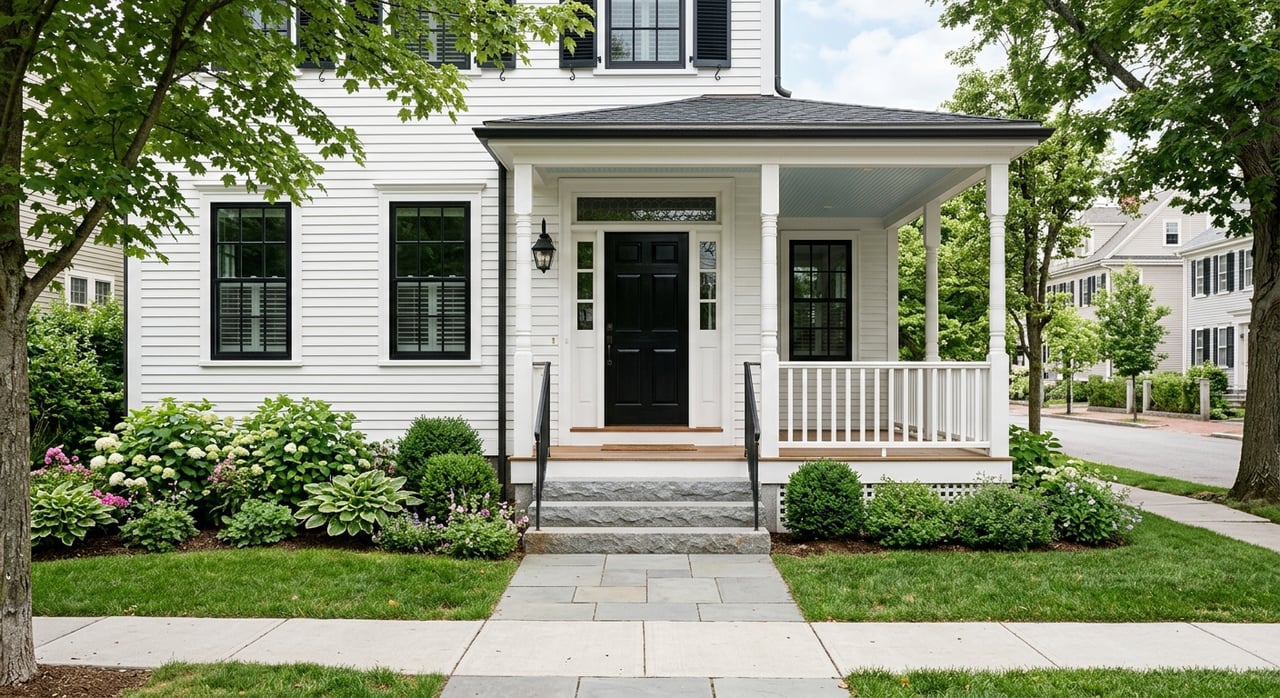
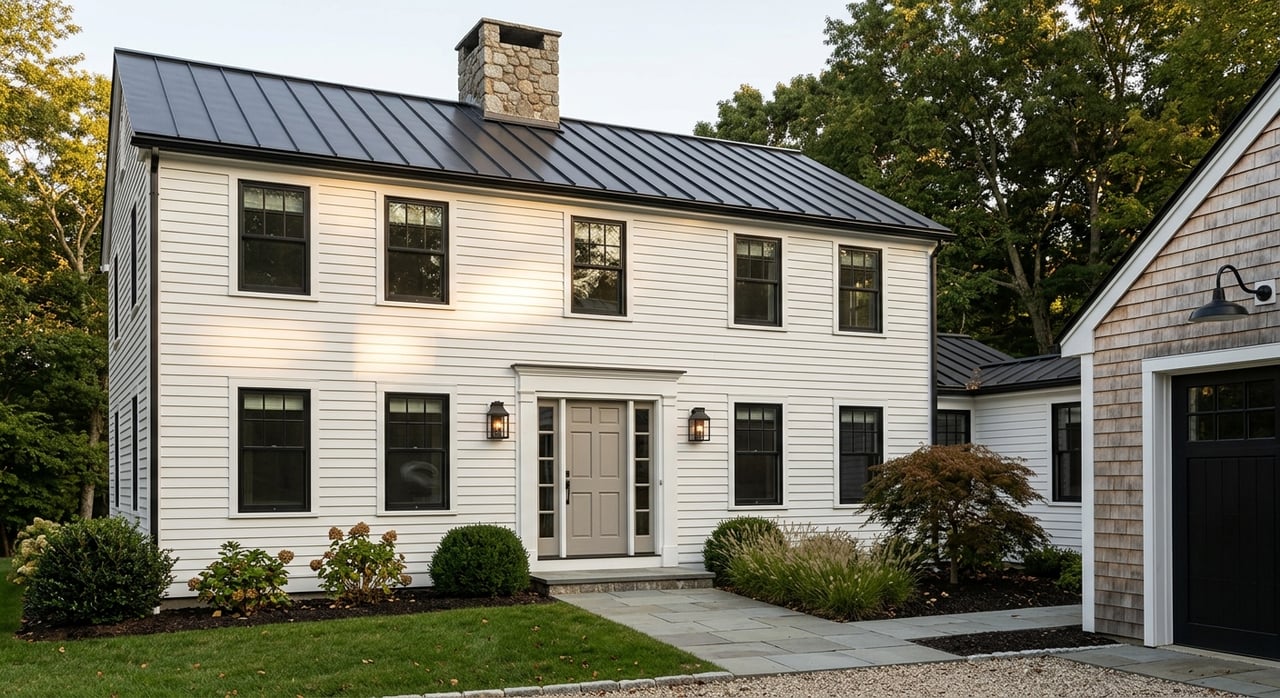
Country curb appeal is not about making everything look overly formal. It is about helping buyers feel that the property is cared for, accessible, and intentional from the moment they arrive.
National staging research shows that curb appeal can lift perceived value, and staging helps buyers picture themselves in a home. For a Redding Ridge country property, that often means the highest-impact exterior tasks are practical rather than flashy.
Start with the basics:
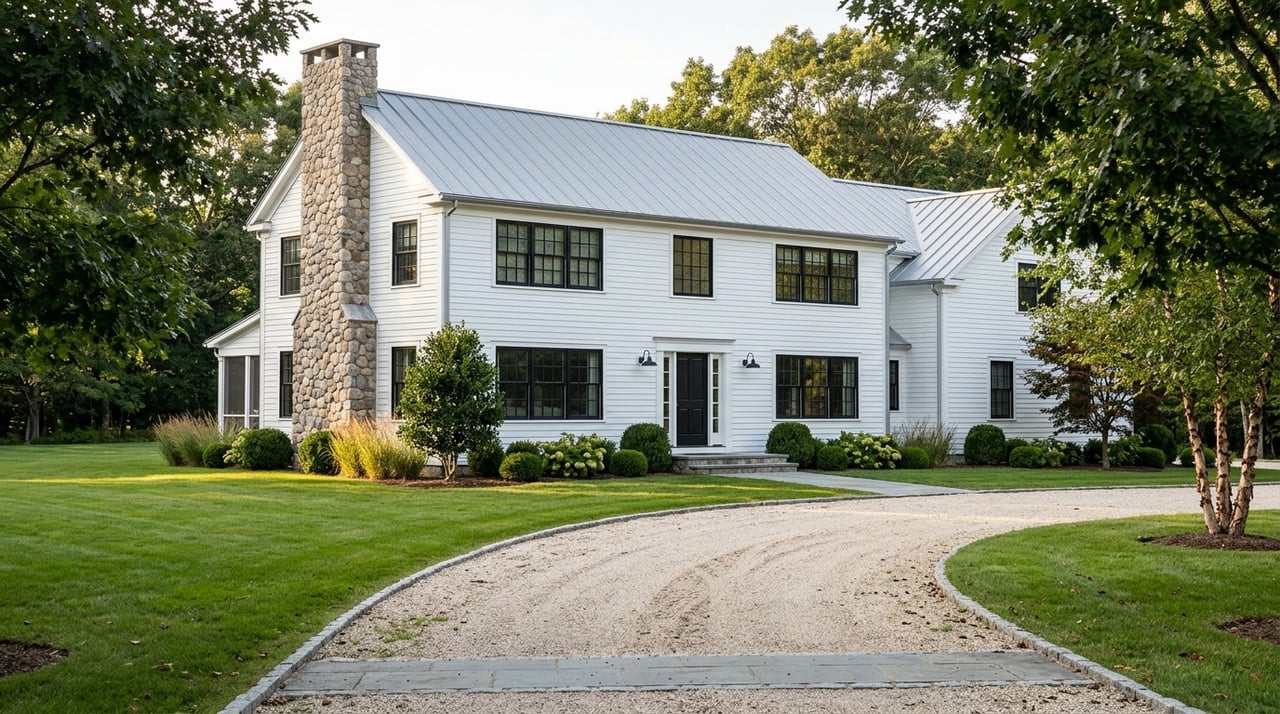
- Clean up the driveway and edges
- Mow and define lawn areas
- Prune overgrowth near the house and entry
- Refresh the porch and front door area
- Clear leaves, sticks, and storm debris
- Straighten or repair gates where needed
- Make stone walls and outbuildings look maintained
A long drive, gravel entry, or detached barn can be a real asset when it reads as purposeful and well kept. If these features look neglected, buyers may assume larger maintenance issues exist elsewhere on the property.
Redding’s natural setting also makes neatness matter. The town highlights its trails, protected open space, and land conservation culture, so buyers often expect a property to feel integrated with nature but still managed with care.
Plan cleanup logistics early
Many sellers underestimate the disposal side of pre-listing prep. In Redding, that can slow you down if you wait until the last minute.
The town’s Recycling Center and Transfer Station requires a resident permit, charges fees for many bulky items, does not allow commercial dumping, and does not accept leaves and weeds. That means large cleanup projects need a plan before moving day is around the corner.
If you are clearing out years of stored items from a basement, garage, shed, or barn, create a disposal schedule early. This can help you avoid rushed decisions and keep the final weeks before launch focused on staging rather than hauling.
Refresh interiors for clarity, not trendiness
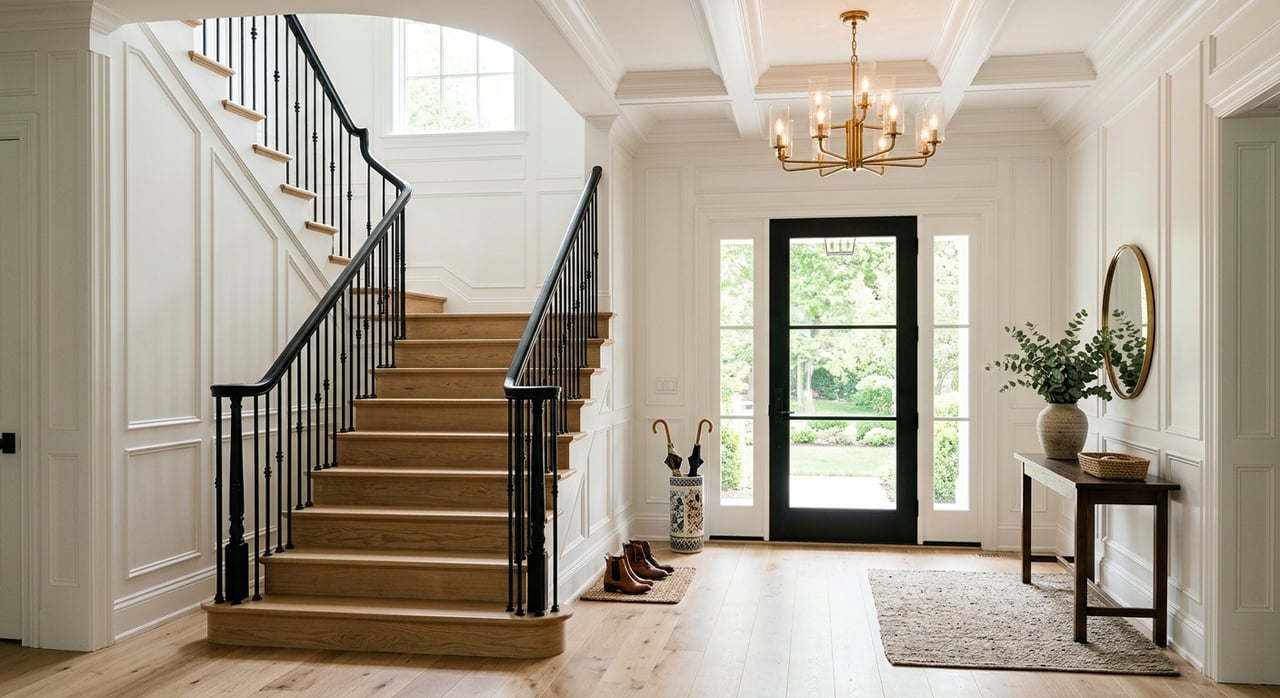
In many Redding Ridge homes, buyers respond best to interiors that feel bright, clean, and easy to understand. This is especially true in colonials, farmhouses, and retreat-style properties where buyers want character, but they also want the layout to feel usable in everyday life.
According to NAR’s 2023 staging report, the living room, primary bedroom, and kitchen are the most important rooms to stage. Photos, video, and physical staging also play a major role in how buyers evaluate a listing.
That does not mean every seller needs a major renovation. In many cases, the strongest pre-listing updates are:
- Neutral paint where rooms feel dark or dated
- Repaired trim, doors, and visible hardware
- Cleaner sightlines with less furniture
- Better room arrangement to show function
- A lighter, brighter feel in key gathering spaces
The goal is to help buyers understand how the home lives day to day. A room with too many pieces, unclear purpose, or visual clutter can feel smaller and less valuable, even when the home itself has strong bones.
Pay attention to wells, septic, and older-home disclosures
For many country properties, market readiness also means system readiness. This is one of the biggest differences between preparing a country home and preparing a typical in-town property.
Connecticut says private well owners are responsible for testing and maintaining their own water. The state also says that before the sale or transfer of real property with a private well, the owner must notify the buyer that educational material is available, and a licensee or owner must provide that material.
If your home has a private well, gather records early and understand the current condition of the system. Clear documentation can make buyer questions easier to answer and reduce avoidable friction once your home is under contract.
Septic systems deserve the same attention. Connecticut DPH notes that septic systems protect public health and the environment, that poorly maintained systems can contaminate groundwater, and that faulty systems can be expensive to correct.
A strong pre-listing file may include:
- Septic pumping records
- Recent inspection information
- Notes from a qualified consultant, if needed
- Any maintenance history you can document
If your home was built before 1978, lead-based paint rules matter too. Connecticut requires buyers and renters to receive lead-based paint information for pre-1978 housing, and sellers must disclose known lead hazards and keep records.
This does not mean an older home is a problem. It means documentation, honesty, and a realistic approach to deferred maintenance are part of smart preparation.
Time photos and showings carefully
Your first photo set will shape how buyers respond online. NAR reports that 81 percent of consumers consider listing photos the most important factor when evaluating properties, which makes timing and presentation especially important.
For a Redding Ridge country home, the photo story should usually go beyond the front facade. Buyers want to understand the approach, land, outbuildings, and relationship between the house and its setting.
That often means your launch should wait until:
- Grounds are cleaned and safe to walk
- Driveways and entries are clear
- Key outdoor features are visible
- Leaf, snow, or storm debris is removed
- The property photographs as cohesive, not patchy
Redding notes that its roads are hilly and curvy and that winter snow and ice removal is an important town function. In practical terms, photo days and showings often work best once access is easier and the grounds present well.
If any digital image enhancement is used, it should be transparent and not misleading. Buyers should see a property that matches what they will experience in person.
Use a smart pre-listing sequence
When sellers feel overwhelmed, it usually helps to break preparation into a simple order. For a Redding Ridge country home, the safest sequence is often the most efficient one too.
Step 1: Confirm site and permit issues
Review prior work, permits, wetlands questions, scenic road considerations, and any outbuilding or exterior concerns first. This helps you avoid polishing features that may need further review.
Step 2: Organize well and septic records
Gather system documents, maintenance history, and any materials needed for disclosure. This step can prevent surprises later in the transaction.
Step 3: Complete cleanup and staging
Once the paperwork side is under control, tackle decluttering, disposal, landscaping, and room-by-room presentation. This is where the property starts to feel market ready.
Step 4: Photograph last
Only schedule final photography once the home and grounds are fully prepared. Strong visuals are most effective when they reflect the property at its best.
Why presentation matters in Redding Ridge
In a market like Redding Ridge, preparation is not about making your home look generic. It is about revealing what makes it special in a way buyers can quickly understand.
A country home often earns attention through atmosphere as much as features. The drive in, the condition of the land, the light in the main rooms, and the sense of order across the whole property can all influence how buyers value what they see.
When you prepare thoughtfully, you make it easier for buyers to connect with both the house and the lifestyle it offers. If you are getting ready to sell in Redding Ridge, RE/MAX Heritage can help you build a tailored plan for pricing, presentation, and launch.
FAQs
What should sellers in Redding Ridge check before making exterior updates?
- Sellers in Redding Ridge should review permits, wetlands considerations, scenic road issues, and records for exterior work such as decks, sheds, grading, drainage, fences, and outbuildings before spending money on improvements.
What rooms matter most when staging a Redding country home?
- For a Redding country home, the living room, primary bedroom, and kitchen are the top rooms to stage because they play a major role in how buyers evaluate the property online and in person.
What well and septic documents should Redding Ridge sellers gather?
- Redding Ridge sellers should gather private well information, maintenance records, septic pumping records, inspection details, and any related system documentation early so buyer questions are easier to address.
What should owners of older homes in Redding Ridge know before listing?
- Owners of older homes in Redding Ridge should prepare lead-based paint information for homes built before 1978, disclose known lead hazards, and organize records tied to deferred maintenance or older property systems.
When is the best time to photograph a country property in Redding Ridge?
- The best time to photograph a country property in Redding Ridge is after cleanup is complete, access is safe, outdoor features are visible, and the home and grounds look cohesive in both close-up and wide shots.